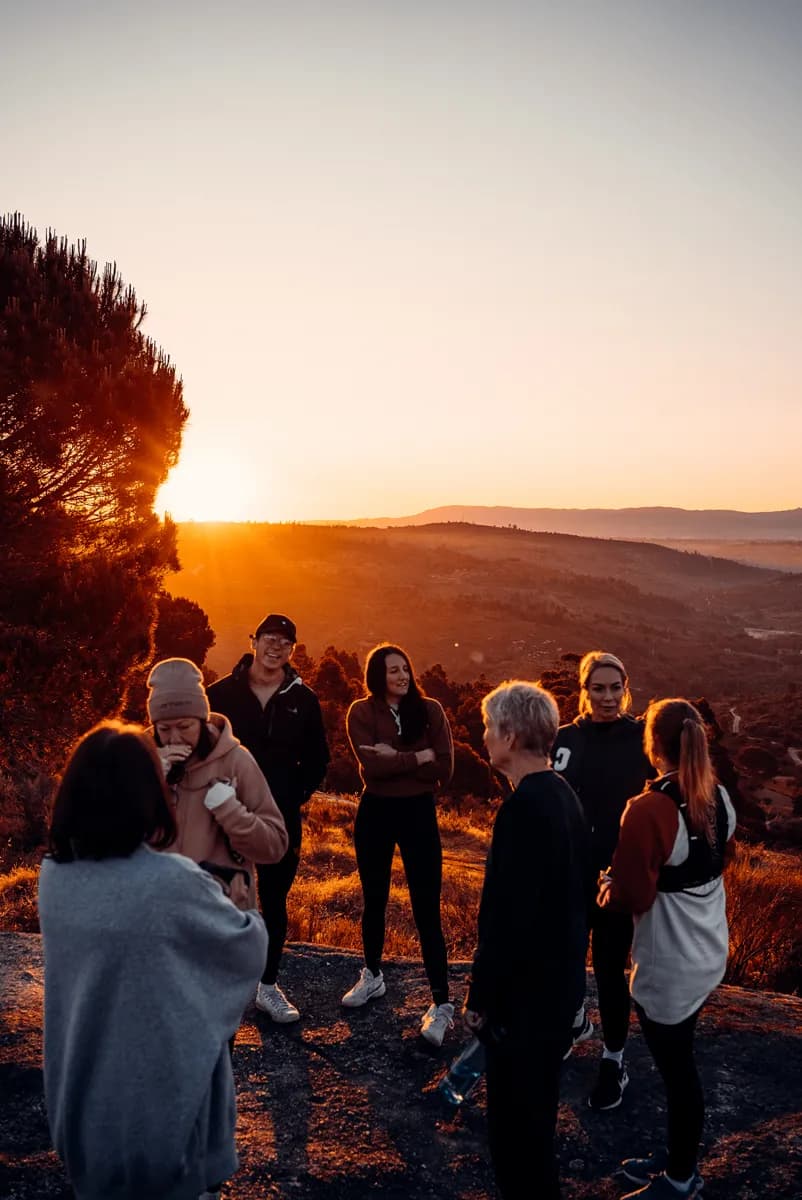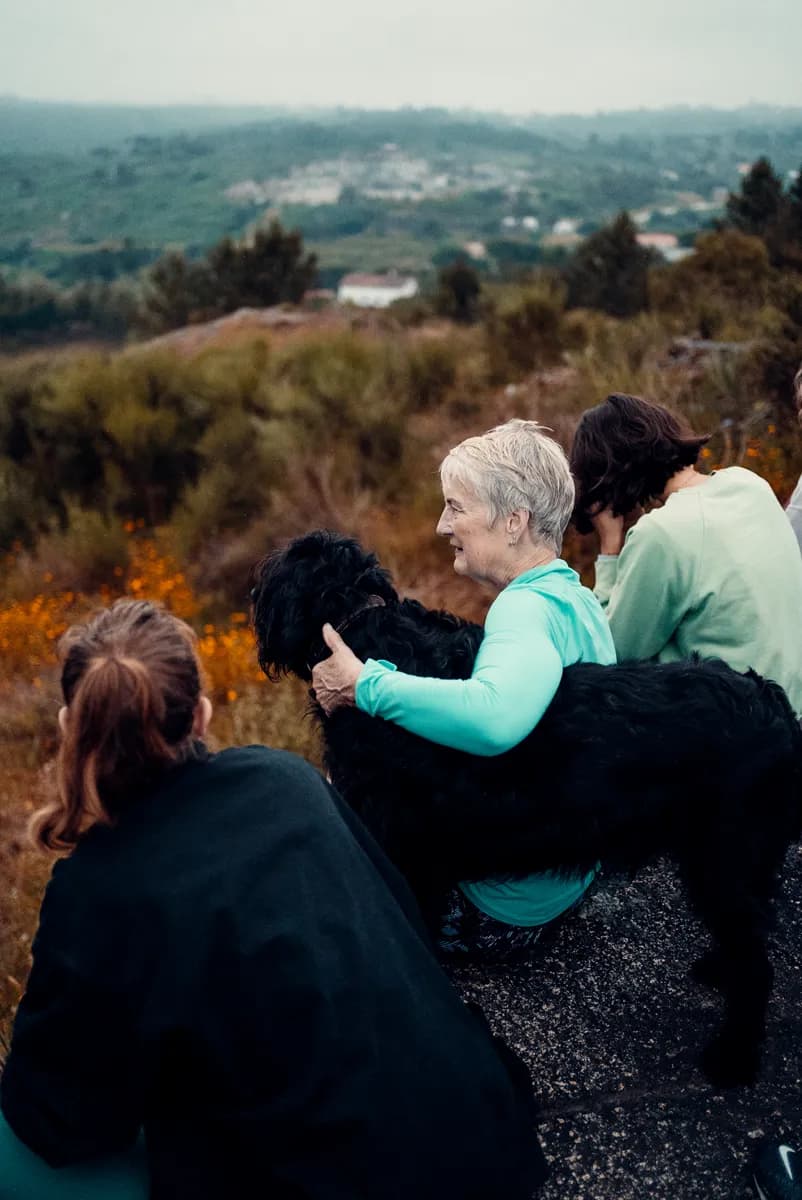
Portugal has quietly become one of the best places in Europe for a wellness retreat. Not because of a marketing push or an Instagram trend, but because the country itself does half the work. The climate, the food, the pace of life, the landscape - it all lends itself to the kind of slowing down that most of us desperately need.
But not all retreats are created equal. Some are genuinely transformative. Others are a nice holiday with a yoga mat bolted on. This guide is here to help you tell the difference, so you can choose something that actually changes how you feel - not just where you sleep for a week.
Why Portugal for a wellness retreat
There are good reasons Portugal keeps coming up in conversations about wellness, and none of them involve crystals or chakra alignment.
The climate works in your favour. Portugal gets over 3,000 hours of sunshine a year. The south is warm and dry, the centre is temperate and green. You can be outdoors comfortably from March through November, which makes a massive difference when a retreat involves movement, nature immersion, or just sitting still in the sun for the first time in months.
The food is exceptional. Portuguese cuisine is built around fresh fish, olive oil, vegetables, and slow cooking. It is naturally healthy without trying to be. You will not be served a sad smoothie bowl and told it is dinner. You will eat proper food, cooked well, shared with people around a long table.
It is accessible from the UK. Flights from most UK airports take 2-3 hours. You can leave your desk on a Friday and be sitting by a river in Central Portugal by the evening. That accessibility matters - it reduces the friction that stops people from actually booking.
The cost of living is lower. Retreat operators can offer more for less compared to destinations like Ibiza, the South of France, or Bali (once you factor in flights). That means better venues, better food, and better facilitators at a price that doesn't require a second mortgage.
Nature is everywhere. Portugal has coastline, rivers, mountains, forests, and rolling farmland. Many retreat venues sit in protected natural areas where the only sounds are birds, water, and wind. That matters more than you think when your nervous system has been running on notifications and caffeine.
Types of wellness retreats in Portugal
“Wellness retreat” is a broad term. It covers everything from a spa weekend with fancy towels to a 10-day silent meditation. Here are the main categories you will find in Portugal:
Yoga retreats
The most common type. Usually structured around daily yoga classes (often vinyasa or hatha), with meditation, healthy meals, and free time. Good ones include experienced teachers and beautiful settings. Average ones are a holiday with yoga added as an afterthought.
Fitness and movement retreats
Focused on physical activity - sometimes intense (bootcamp-style), sometimes restorative (somatic movement, mobility work). The best ones combine physical challenge with emotional and mental well-being, rather than just hammering your body for a week.
Holistic wellness retreats
These combine multiple modalities: movement, breathwork, coaching, mindfulness, nutrition, cold exposure, and community connection. They tend to be the most transformative because they address the whole person, not just one dimension. The trade-off is that they require more engagement - you cannot coast.
Silent and meditation retreats
Vipassana-style silence for days at a time. Powerful, but intense and not for everyone. Portugal has several centres offering this, usually in the Alentejo or rural Algarve. Worth considering if you have an existing meditation practice and want to go deeper.
Detox and fasting retreats
Focused on physical cleansing through juice fasting, raw food, or other dietary protocols. Can be beneficial for some, but do your research and consult a doctor first. The evidence base is mixed, and some programmes are more marketing than medicine.
Surf and wellness
Portugal's Atlantic coast is one of Europe's best surf destinations. Several retreats combine morning surf sessions with afternoon yoga, breathwork, or meditation. A good option if you want physical challenge alongside mental stillness.
Best regions in Portugal for a retreat
The Algarve
The south coast is where most people think of first. Warm year-round, beautiful coastline, good infrastructure. The downside is that parts of the Algarve are heavily touristed, so your “escape” might still feel quite busy. Look for retreats inland or on the west coast (Costa Vicentina) for something quieter.
The Alentejo
Portugal's largest and least populated region. Rolling plains, cork oak forests, dark skies, and almost no one around. The pace here is genuinely slow. Several high-end retreats have set up in converted farmhouses and rural estates. Excellent for anyone who wants real isolation.
Central Portugal
The hidden gem. The region around Coimbra, Viseu, and Tábua offers river valleys, forests, mountain villages, and a landscape that feels untouched. This is where you find off-grid properties on ancient farmland, surrounded by protected wilderness. Less known to tourists, which is exactly the point.
This is where Quinta do Rabaçal sits - the venue for Elysium Retreats. Forty acres on the River Mondego, two kilometres from the nearest village. When we say off-grid, we mean it.
The Lisbon coast
Sintra, Ericeira, and Cascais offer a blend of culture and nature within easy reach of Lisbon airport. Good for shorter retreats or if you want to combine a retreat with a few days exploring the city. Less isolated, but more convenient.
The north (Minho and Douro)
Green, lush, and cooler than the south. The Douro Valley is stunning and increasingly popular for wellness tourism. Wine, food, and a different energy from the Mediterranean south. Best in late spring through early autumn.
What to look for in a wellness retreat (and what to avoid)
Green flags
- Named, experienced facilitators. You should be able to find out who is leading the retreat, what their background is, and what their approach involves. Anonymity is a red flag.
- Genuine testimonials. Not polished marketing quotes - real stories from real people. Video testimonials are even better. Look for specifics, not generalities.
- Clear structure. A good retreat will tell you what happens each day. Not a rigid schedule, but enough that you know what you are signing up for.
- Small group sizes. Anything over 30 people starts to feel like a course, not a retreat. The best transformational experiences happen in groups of 10-25 where the facilitators can actually know your name.
- Repeat attendance. If people come back, the experience is real. This is the single strongest signal of quality.
- The venue matches the promise. Photos should look like the actual property, not stock imagery. Google the venue independently to see other reviews.
Red flags
- Vague descriptions that lean heavily on buzzwords (“transformational healing journey”) without explaining what actually happens
- No information about who runs it or what qualifications they hold
- Extremely low prices - good facilitators, venues, and food cost money. If a 7-day retreat costs less than a budget holiday, ask why
- No community or follow-up. A retreat that ends the moment you leave is a holiday, not a transformation
- Pressure selling, countdown timers, and artificial scarcity. Real retreats with real demand do not need to manipulate you into booking
Elysium Retreats: 22 people, 5 days, three world-class coaches, an extraordinary venue. No gimmicks.
See What Happens at ElysiumWhat to expect on a wellness retreat in Portugal
If you have never been on a retreat before, here is what a typical day might look like. This will vary depending on the type of retreat, but the rhythm tends to be similar:
Morning: An early start, but not punishing. Perhaps a movement or yoga session as the sun comes up. Breakfast is communal - fresh fruit, eggs, bread, coffee. You eat with the group, and the conversations are already different from anything you have at home.
Mid-morning: The main session of the day. This might be a breathwork practice, a coaching workshop, a guided hike, or a structured group exercise. This is where the work happens.
Lunch and afternoon: A long lunch, followed by free time. Swim in the pool or the river. Read. Sleep. Do nothing. This unstructured time is more important than you think - it is where your nervous system actually resets.
Late afternoon: A second session - perhaps something physical like a sports activity, or something reflective like journaling or a group discussion.
Evening: Communal dinner. Then perhaps a sharing circle, a bonfire, live music, or just conversation under the stars. Most retreats are device-light or device-free, which means people actually talk to each other.
The most common thing guests say afterwards is that the unstructured moments - swimming in a river, a conversation over dinner, sitting in silence watching the sunset - were just as powerful as the formal sessions.
How much does a wellness retreat in Portugal cost?
Prices vary enormously, but here is a rough guide for UK-based retreats in Portugal:
- Budget (under £800): Basic accommodation, group yoga classes, simple meals. Fine for a first experience, but unlikely to be deeply transformative.
- Mid-range (£800-£1,500): Good venues, qualified facilitators, well-structured programmes. This is where most quality retreats sit.
- Premium (£1,500-£2,500): Exceptional venues, experienced multi-disciplinary teams, small groups, comprehensive programmes. You are paying for expertise, intimacy, and an environment designed for real change.
- Luxury (£2,500+): Five-star properties, private rooms, spa treatments, personal coaching. Beautiful, but the price does not always correlate with the depth of the experience.
Flights from the UK typically cost £50-200 return. Most retreats include accommodation and meals, so your on-the-ground costs are minimal once you arrive.
A note on value: A £1,500 retreat that changes how you show up at work, in relationships, and in your own head is not an expense. It is one of the better investments you will ever make. A week at an all-inclusive resort costs similar money and gives you a tan and a hangover.
Best time of year for a Portugal retreat
Portugal is a year-round destination, but timing affects the experience:
- Spring (March-May): Warm but not hot. Wildflowers everywhere. Rivers are full. Fewer tourists. Arguably the most beautiful time to be in rural Portugal.
- Summer (June-August): Hot, especially inland (35-40 °C in Central Portugal). Great for river swimming and outdoor living, but the heat can be intense. Many retreats schedule lighter afternoon programmes.
- Autumn (September-November): The sweet spot. Still warm, the summer crowds are gone, the light is golden, and the landscape is at its most dramatic. September is peak retreat season for good reason.
- Winter (December-February): Cooler and wetter, especially in the north and centre. The Algarve stays mild. Fewer retreats operate, but if you find one, it will feel especially intimate.
What to pack for a wellness retreat in Portugal
Keep it simple. You are not going to impress anyone with your wardrobe.
- Comfortable movement clothing (layers work best)
- Swimwear
- A decent pair of walking shoes or trainers
- Sandals or flip-flops
- Sun protection (hat, SPF, sunglasses)
- A journal and pen
- A water bottle
- Something warm for evenings - even in summer, rural Portugal cools down at night
- A book (you will have free time, and you will not be on your phone)
Leave at home: A laptop (unless you genuinely need it for travel days). Your need to plan, optimise, or be productive. Expectations about what the experience “should” be. Arrive open.
Why we built Elysium in Portugal
When Tommy, Claire, and Al were looking for a location for Elysium Retreats, Portugal was not the obvious choice. Spain is closer. Bali is trendier. The Cotswolds would have been easier.
But when they found Quinta do Rabaçal - a restored ancient hamlet on 40 acres of protected wilderness by the River Mondego in Central Portugal - they knew nothing else came close.
The property is completely off-grid. It produces its own food and harnesses green energy. The nearest village is two kilometres away. The only sounds are the river, the birds, and whatever conversation happens to be unfolding around the dinner table.
It has an infinity pool, an outdoor jacuzzi, a 300-square-metre gym, a spa, kayaks, mountain bikes, a cinema, and enough space for 22 guests across four beautifully restored stone houses.
Portugal made Elysium possible. The climate lets them run a programme that moves seamlessly between indoor coaching and outdoor adventure. The food culture means communal meals become a centrepiece, not an afterthought. And the isolation means that when you arrive, the outside world genuinely stops.
“It's not what you'd expect. It's so much more than yoga for a week. It's genuinely life-changing.”
The next Elysium Retreat is September 16-21, 2027. Spaces are limited to 22.
View Pricing and BookFrequently asked questions
Do I need to speak Portuguese?
No. English is widely spoken across Portugal, especially in tourism and wellness settings. Most UK-originated retreats operate entirely in English.
Is Portugal safe?
Yes. Portugal consistently ranks as one of the safest countries in the world. Crime rates are low, and the culture is welcoming and relaxed.
Can I go on a wellness retreat alone?
Absolutely - and most people do. Solo attendance is the norm, not the exception. You will meet people on the retreat, and the connections you make with strangers often become the highlight of the experience.
What if I have dietary requirements?
Most quality retreats accommodate dietary needs as standard. Let the organisers know when booking. Portuguese cuisine is naturally flexible - gluten-free, vegetarian, and pescatarian options are easy to arrange.
How do I get from the airport to the retreat?
This depends on the location. Coastal retreats are often close to Faro or Lisbon airports. Rural retreats in the centre or north may involve a transfer of 1-3 hours. Most good retreats coordinate group transfers or provide detailed instructions. At Elysium, airport transfer coordination is included.